Breaking Truths is a multimedia project by collaborative duo Batres Gilvin (Karla Batres Gilvin and Bradly Gilvin) that transforms piñatas into vessels for truth-telling, reflection, and community healing. Rooted in the symbolic power of piñata-breaking, the project unfolded across five sites in 2025 each hosting a ceremony shaped by local histories, personal narratives, and socio-political themes. The resulting fragments were preserved and reassembled into sculptural works featured in the ArtsWave Truth & Innovation Visual Arts Showcase, including Milagros Para Mi Nieta, which challenges cultural gender norms, and Carlos: Superhero and Cristy: Superhero, honoring Latinx essential workers. The project also includes performance pieces like La Estrella y el Vacío, exploring mestizaje and colonial erasure, and Quienes Querían Más, a tribute to the intellectual labor of the Latinx community.
Breaking Truths invites audiences to see breaking not as destruction, but as an act of collective courage and transformation where fragments become seeds for reimagined futures.
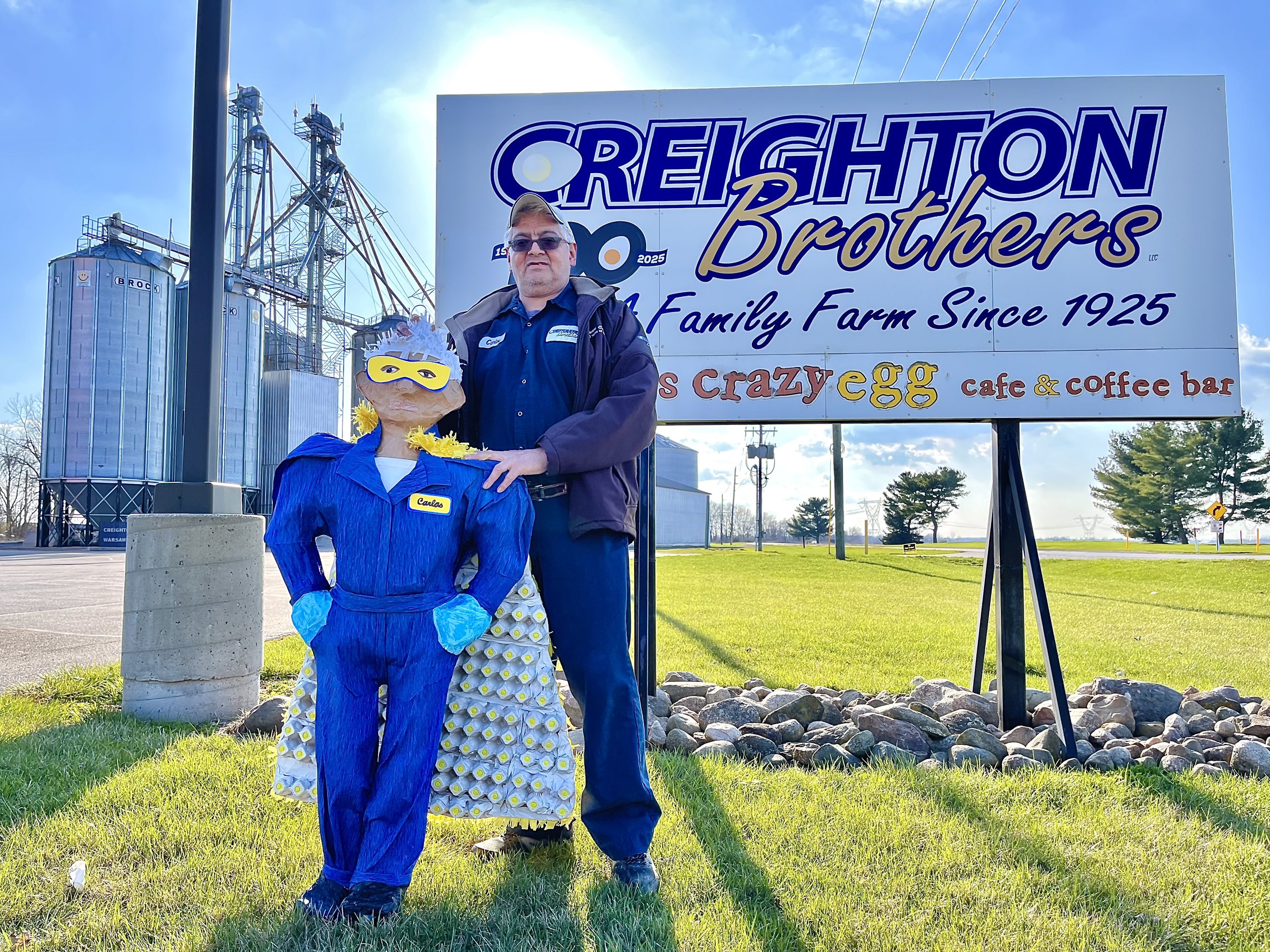
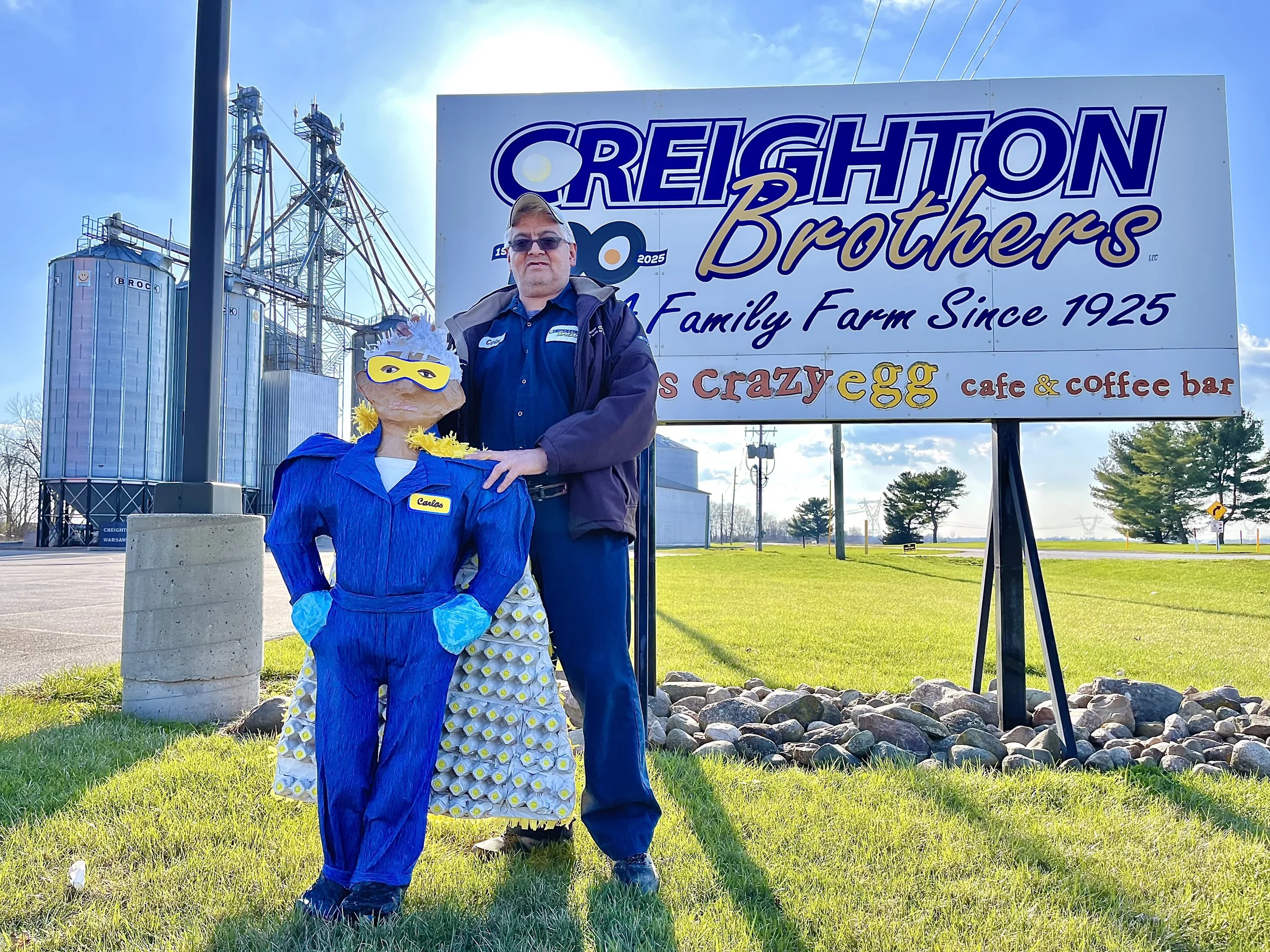
Carlos: Superhero (Creighton Brothers Breaking Ceremony), Cardboard, papier-mâché (newspaper) tissue paper, crepe paper, and rope, 2025 --This piñata honors Carlos, Karla’s father, who worked in Indiana’s egg industry at Creighton Brothers during the COVID-19 pandemic. As an essential worker, he helped maintain food supply stability under challenging conditions. This piece celebrates his resilience and pays tribute to the critical yet often overlooked labor of Latinx essential workers.
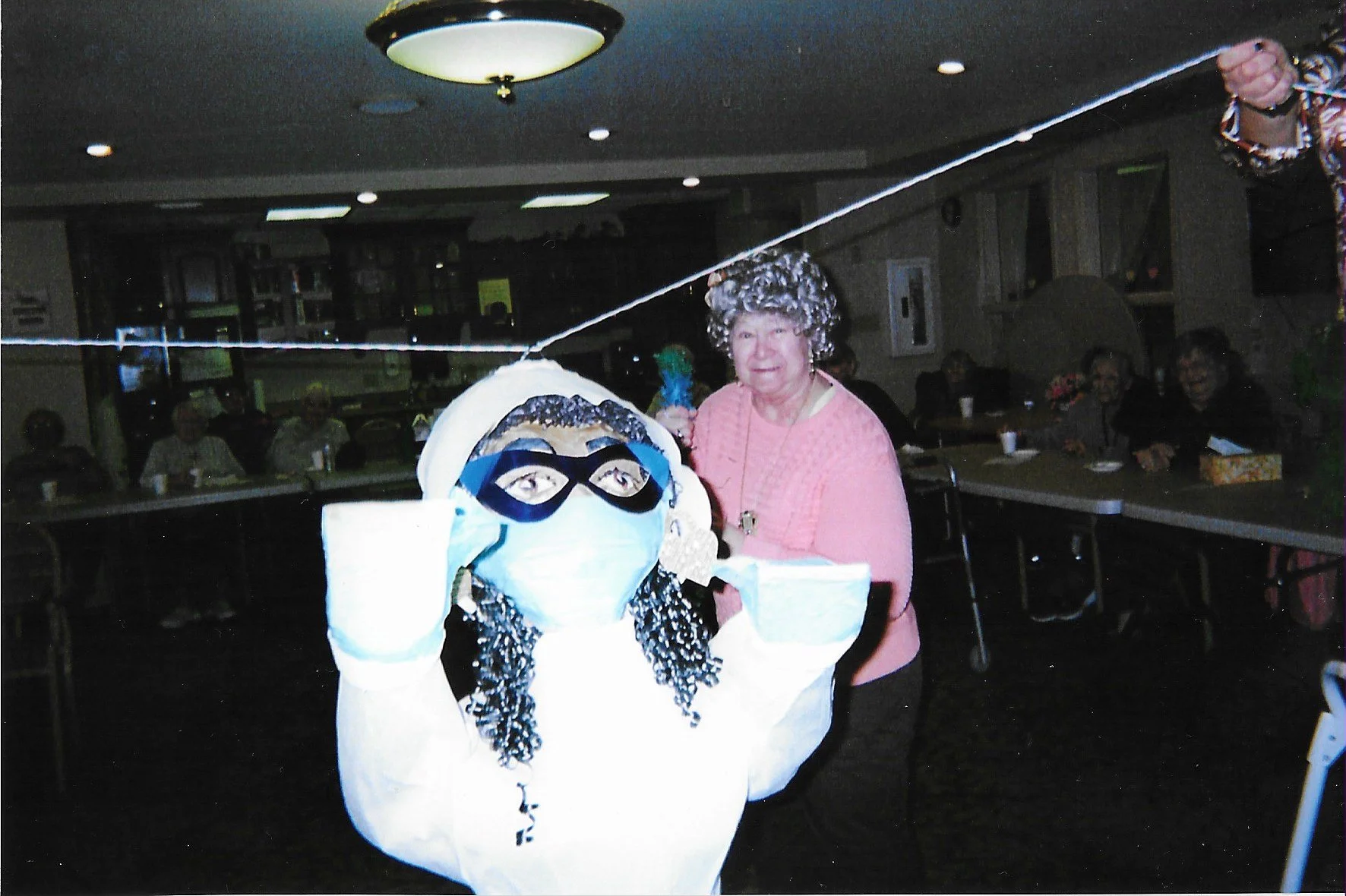
Cristy: Superhero (Grace Village Breaking Ceremony), Cardboard, papier-mâché (newspaper), tissue paper, crepe paper, and rope, 2025 --This piñata honors Cristy, Karla’s mother, who served as an Activity Leader at Grace Village nursing home during the COVID-19 pandemic. Cristy provided emotional and mental health support to residents through art, music, and conversation, bringing comfort during a time of isolation. The work recognizes the emotional labor of Latinx caregivers and their vital role in sustaining community well-being.
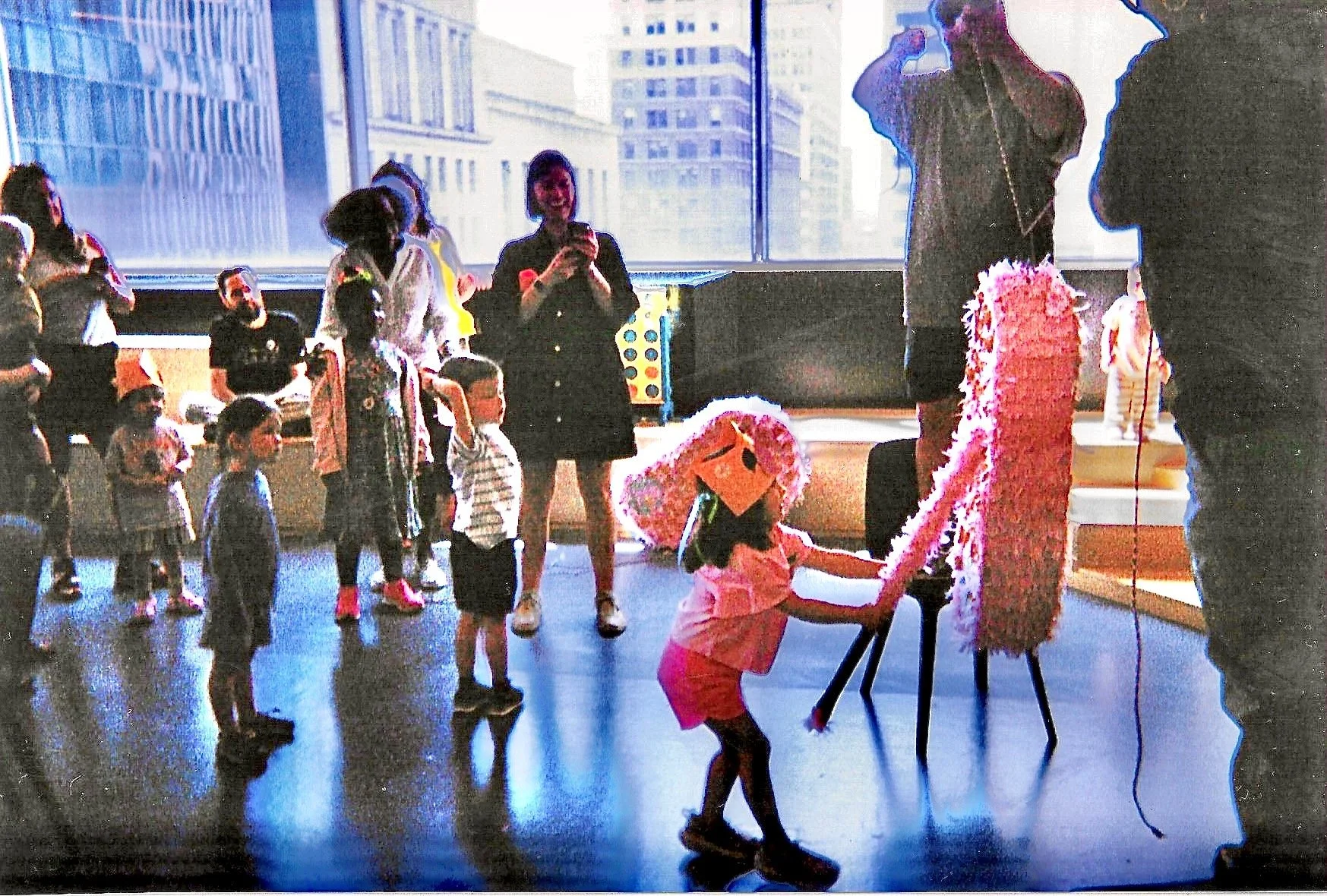
Milagros Para Mi Nieta 1 (Contemporary Arts Center Breaking Ceremony), Tissue paper, cardboard, papier-mâché (newspaper), rope, and sticker earrings, 2025 --Milagros Para Mi Nieta consists of a pair of ear-shaped piñatas layered with smaller papier-mâché ears, symbolizing generational cultural expectations. Inspired by the persistent question, “When will your daughter get her ears pierced?” the piece explores themes of tradition, bodily autonomy, and gender norms within Mexican culture.
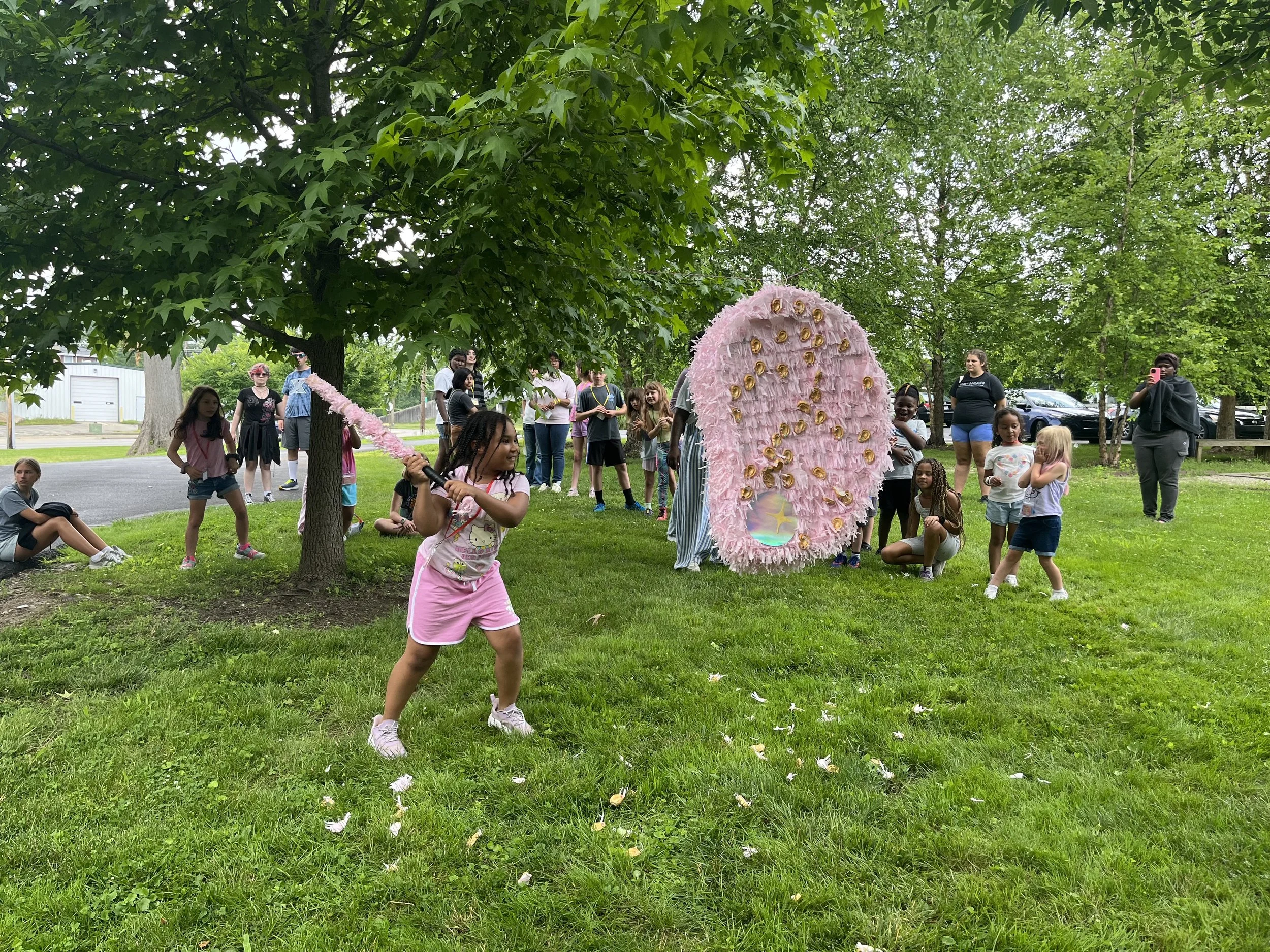
Milagros Para Mi Nieta 2 (Kennedy Heights Arts Center Breaking Ceremony), Tissue paper, cardboard, papier-mâché (newspaper), rope, and sticker earrings, 2025 --Milagros Para Mi Nieta consists of a pair of ear-shaped piñatas layered with smaller papier-mâché ears, symbolizing generational cultural expectations. Inspired by the persistent question, “When will your daughter get her ears pierced?” the piece explores themes of tradition, bodily autonomy, and gender norms within Mexican culture.
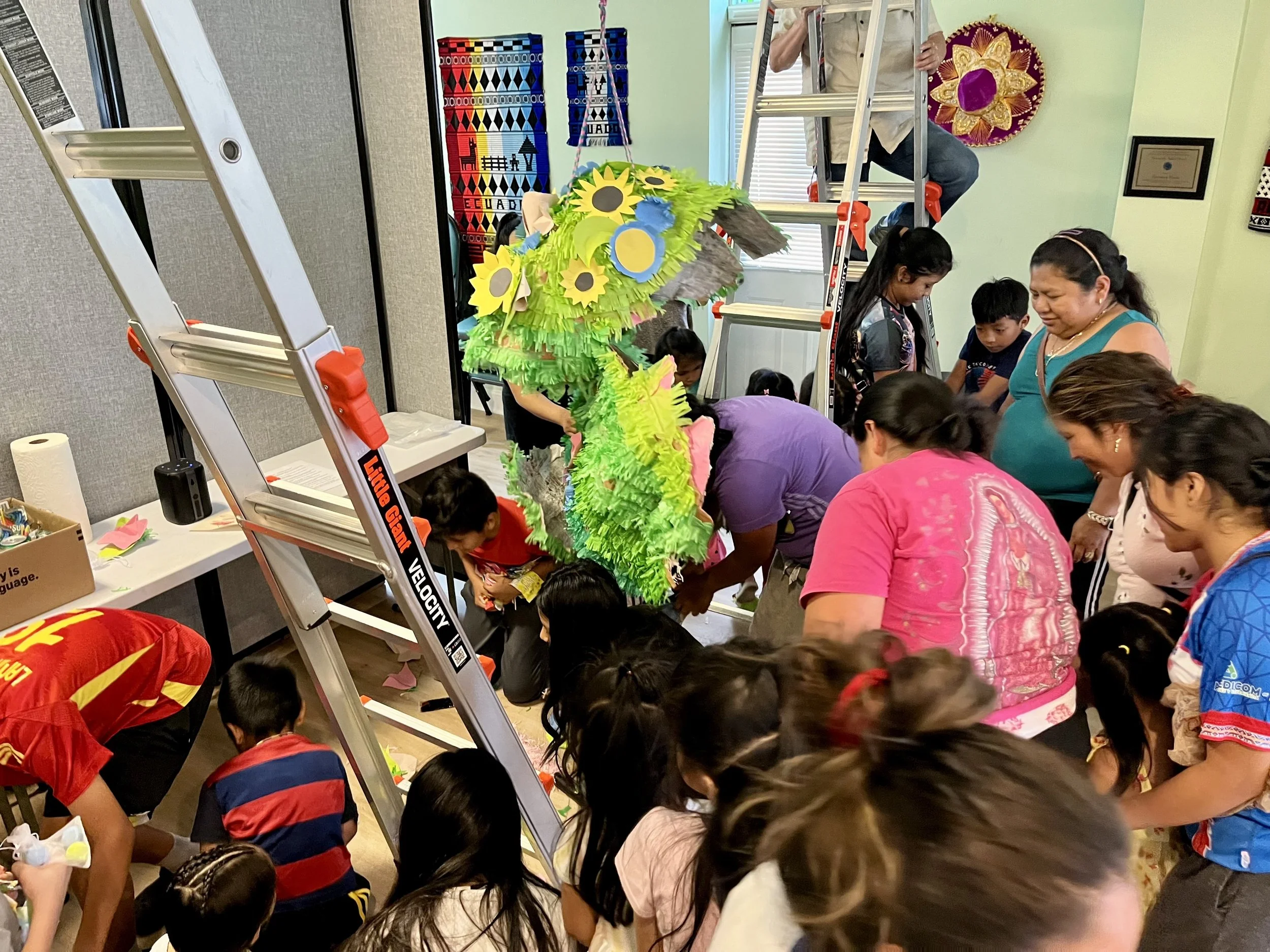
Semillas de Futuro (Esperanza Latino Center Breaking Ceremony), Papier-mâché (newspaper), tissue paper, cardboard, regenerative seed paper, and rope, 2025 --Semillas de Futuro is an eco-conscious piñata created by Batres Gilvin for a joyful community breaking ceremony in collaboration with the Esperanza Latino Center. Decorated with regenerative seed paper, the piñata reimagines celebration as a collective act of renewal. Serving as both artwork and artifact, it captures a moment of shared intention where participants plant literal and symbolic seeds for a more connected, sustainable future.
Quienes Querían Más, Performance, 2025
Quienes Querían Más
Quienes Querían Más honors the overlooked intellectual labor of immigrants and the Latinx community. Inspired by the Blackwell School in Marfa, Texas—a segregated school for Mexican American children—it speaks to generations discouraged from speaking Spanish and denied educational recognition. This piece is personal, reflecting Karla’s father’s journey, and it reminds us that knowledge thrives in our communities, even when institutions fail to see it.
La Estrella y el Vacío, Performance, 2025
La Estrella y el Vacío
La Estrella y el Vacío reimagines the traditional seven-pointed piñata used by the Catholic Church in Mexico. Ours is covered in amate paper, a material rooted in Indigenous tradition. The piece explores the layered identity of mestizaje, where resistance, spirituality, and cultural memory coexist.